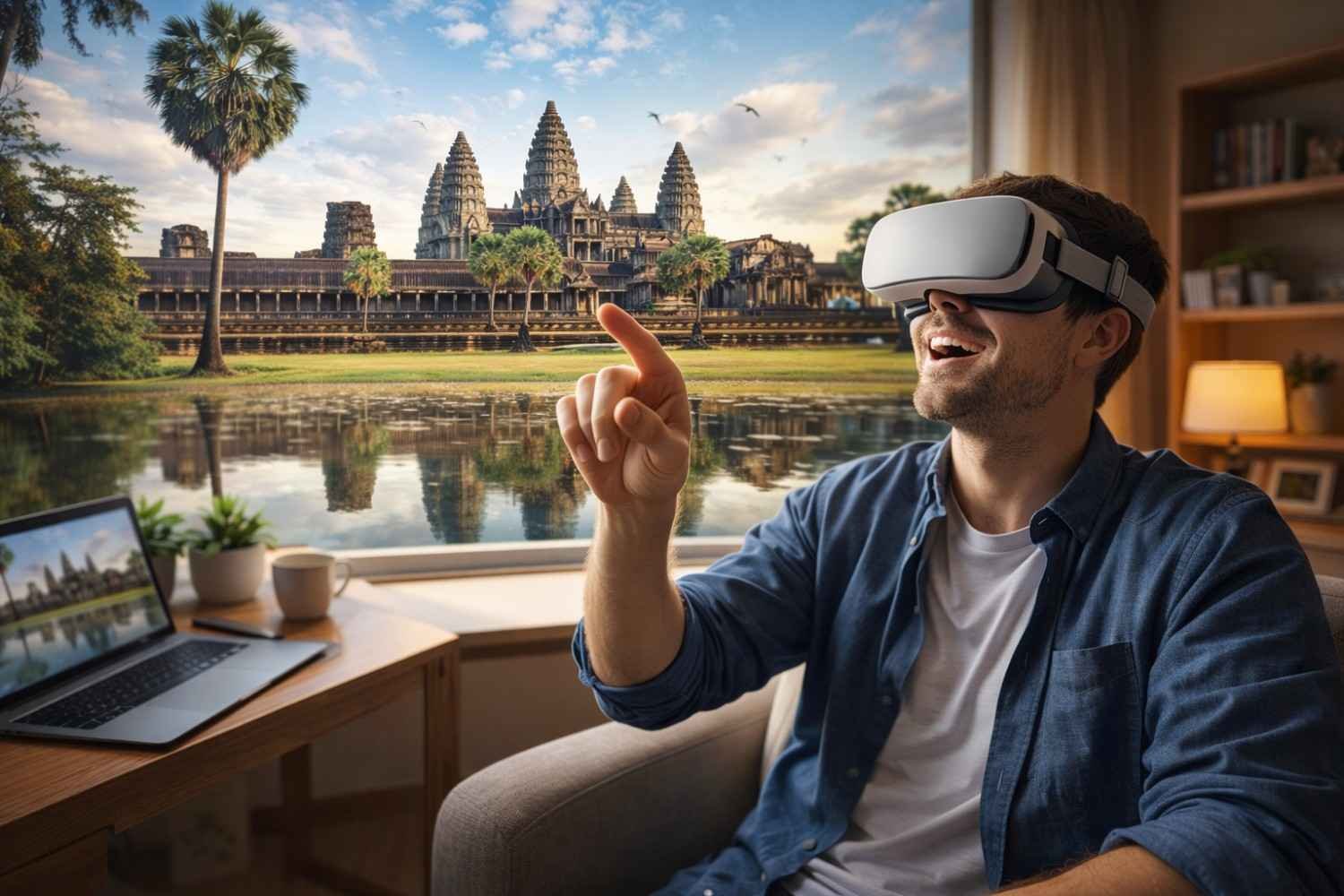
I still remember the first time I strapped on a VR headset and found myself wandering through the temples of Angkor Wat from my living room. It felt surreal yet liberating – no jet lag, no crowds, and a genuine sense of wonder. Over the past few years, virtual travel has exploded from a novelty into a meaningful way to explore the world.
As someone who loves both technology and travel, I’ve watched this evolution with excitement. But why does virtual travel matter, and what does it mean for the future of tourism? In this blog, I’ll share the rise of virtual travel, why it’s changing the way we explore, and how you can get started.
What is the Rise of Virtual Travel Experiences?
Virtual travel experiences allow us to explore destinations using digital technologies such as 360° videos, virtual reality (VR), augmented reality (AR), and mixed reality. According to a hospitality insights article, virtual tourism uses digital platforms to showcase places and culture, providing access to museums and heritage sites to people who might never visit in person.
These experiences range from virtual museum tours to live-streamed walking tours with local guides. The technology isn’t meant to replace physical travel; rather, it complements it by offering accessible previews and entirely new forms of exploration.
Virtual travel evolved from early panoramic photography and real‑estate virtual tours to today’s immersive VR headsets. During the COVID‑19 pandemic, when travel restrictions were widespread, virtual tours became a lifeline for tourism businesses and house‑bound travelers.
Market analysts estimate that the global virtual tourism market was worth about $385.75 billion in 2022 and may reach roughly $847.95 billion by 2028. This rapid growth shows how quickly people are embracing digital exploration, and the market is expected to keep growing as technology improves.
Timeline of Key Milestones
| Year | Milestone | Note |
| 2010 | Panoramic real‑estate tours become mainstream | Early adoption in real estate marketing |
| 2016 | VR travel apps appear on consumer headsets | First consumer‑grade VR travel platforms |
| 2020 | Pandemic accelerates virtual tourism adoption | Museums and tour guides pivot to live virtual tours |
| 2023 | Mass adoption of 360° tours for planning | Travelers use virtual tours to preview destinations |
| 2026 | Interactive VR travel platforms with AI guides | AI‑driven experiences create customized itineraries |
Why It Matters
Virtual travel isn’t just a gimmick. Here are a few reasons why it matters:
1. Accessibility and Inclusivity
Virtual tours bring cultural heritage and natural wonders to people who face physical, financial, or logistical barriers. Museums and cultural institutions offer digital access to collections, making art and history available to those who might never visit.
This inclusivity ensures that anyone, regardless of their circumstances, can explore and learn about places and cultures from the comfort of their own homes.
2. Environmental Benefits
Travelling virtually reduces carbon emissions by eliminating flights and long‑distance travel. While it doesn’t replace on-site tourism, it encourages more mindful planning and can reduce the need for frequent short trips.
As environmental concerns become increasingly important, virtual travel can serve as a sustainable alternative to traditional tourism, allowing people to explore the world without contributing to environmental damage.
3. Economic Resilience
When physical travel is impossible, virtual tours give businesses a revenue stream, keeping tour guides and cultural sites afloat during crises. The rise of virtual travel has provided tourism industries with a new way to engage with customers, even when global restrictions limit traditional travel.
This adaptability helps protect the livelihoods of workers in the tourism and cultural heritage sectors, ensuring they have an income even during difficult times.
4. Education and Preservation
Students can explore historical sites and ecosystems in immersive detail, helping preserve fragile environments by reducing foot traffic. Virtual travel offers a unique opportunity to learn about the world’s wonders without contributing to their physical degradation.
These immersive experiences allow learners to witness ecosystems and cultural heritage sites that might be endangered or otherwise inaccessible, furthering educational efforts and preservation.
5. Market Growth
The booming virtual tourism market reflects consumer demand. Analysts project a compound annual growth rate that more than doubles the market by 2028.
As technology improves and consumer interest grows, the virtual tourism sector is poised to become a key component of the global tourism industry, offering a new avenue for growth and innovation.
How-To Guide: Experiencing Virtual Travel
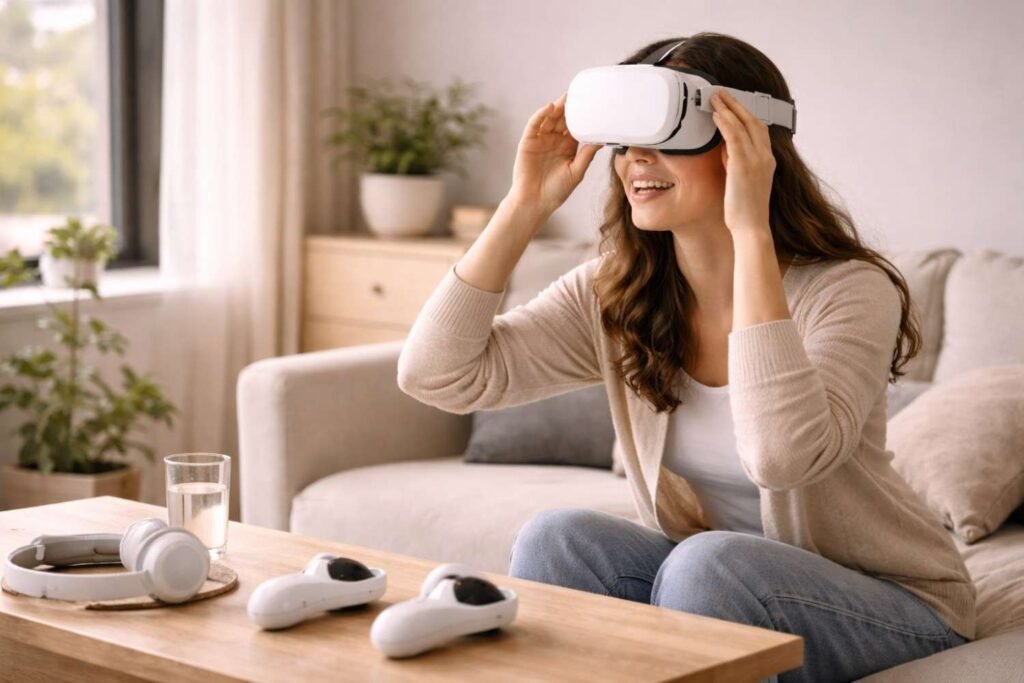
Step 1: Pick Your Platform
Choose how you want to experience virtual travel. Options include free 360° videos on YouTube, VR‑specific platforms like Oculus/Quest apps, or live virtual tours with guides.
Look for platforms offering high‑resolution imagery, interactive elements, and reputable guides to ensure a high-quality experience.
Some platforms even offer detailed commentary and live chat with experts, enhancing the educational value of the tour.
Step 2: Get the Necessary Hardware
While a VR headset offers the most immersive experience, you can also explore with a smartphone or computer. For a fully immersive journey, consider a standalone VR headset like the Oculus Quest.
Before purchasing, review technical specifications, comfort, and available content to find the best fit for your needs and budget. A high-quality headset can make a big difference in the realism of your experience.
Step 3: Select Your Destination
Decide whether you want to explore natural wonders, cities, or museums. Many platforms categorize tours by region or theme. For instance, National Geographic’s VR experiences let you dive into coral reefs or trek through Machu Picchu, while Google Arts & Culture offers museum tours across the world. Choose a destination that excites you and aligns with your interests.
Step 4: Prepare Your Space
Find a comfortable, clutter‑free area to explore. If you’re using a headset, ensure you have enough room to move. A spacious area will prevent accidents, especially if you’re standing or moving around during the experience. Reduce distractions by dimming lights and closing tabs on your computer for an optimal experience.
Step 5: Interact and Learn
During the tour, take advantage of interactive features. Pause to examine artwork up close, ask questions in live chat, or choose different routes. Many tours include commentary from local experts, adding context and authenticity. Engaging with the material will help deepen your understanding and make the experience more memorable.
Step 6: Share and Reflect
After your virtual trip, discuss your experience with friends or online communities. Social platforms like Reddit have communities dedicated to sharing virtual tours, where you can connect with other enthusiasts and exchange insights. Reflecting on your experience helps solidify what you’ve learned and can inspire future travel plans.
Best Practices & Tips
- Start with free content to test your interest before investing in equipment.
- Use wired internet or strong Wi‑Fi for live tours to avoid buffering and interruptions.
- Consider accessibility features, such as subtitles or audio descriptions, if needed.
- Combine virtual tours with research from authoritative sources to enrich your understanding of the places you’re visiting.
- Keep your devices charged and update apps to access the latest features and content.
Common Mistakes
- Overplanning: Trying to cram too many virtual tours into one session can lead to fatigue. Pace yourself and savor each experience to avoid burnout.
- Ignoring ergonomics: Standing or sitting in awkward positions while wearing a headset can cause strain. Take breaks and adjust your posture to remain comfortable.
- Skipping orientation: Many platforms include tutorials that explain navigation and controls. Skipping these may lead to frustration and missed features.
- Neglecting privacy: Some VR platforms gather personal data. Review privacy settings and opt out of unnecessary data collection to protect your information.
- Assuming virtual replaces physical travel: Virtual travel complements, but does not fully replace, the sensory richness of on‑site experiences. Use it as a planning tool or to supplement in‑person trips.
Expert Insights
Cultural institutions note that virtual tours help preserve fragile sites while engaging global audiences. Analysts also expect the virtual tourism market to expand rapidly, forecasting a jump from around $385 billion in 2022 to nearly $848 billion by 2028.
This growth indicates strong consumer interest and suggests that future tourism will blend virtual and physical experiences.
Frequently Asked Questions (FAQs)
1. Is virtual travel replacing physical travel?
No. Virtual travel is designed to complement physical travel by providing accessible previews and experiences when travel isn’t possible. Many travelers use virtual tours to plan trips or explore places they might not otherwise visit.
2. What equipment do I need?
A VR headset offers the most immersive experience, but you can also enjoy virtual tours on smartphones or computers. Choose based on your budget and comfort level. A VR headset is recommended for a truly immersive journey, but it’s not strictly necessary for enjoying virtual travel.
3. Are there costs involved?
Many virtual tours are free, especially museum exhibits or 360° videos. Live guided tours or premium content may require payment. Always check platform pricing before joining to avoid any unexpected costs.
4. Can virtual travel help with education?
Absolutely. Teachers use virtual tours to illustrate history, geography, and science lessons, making learning more engaging. Students can explore remote or historical locations in immersive detail, enhancing their understanding of subjects.
5. Is personal data safe on virtual tourism platforms?
Most reputable platforms respect user privacy, but it’s wise to review privacy policies and adjust settings to limit data sharing. Always be cautious and ensure that you’re comfortable with the platform’s data practices before diving in.
A Few Honest Thoughts Before You Go
Writing this piece reminded me of the sense of wonder I felt on my first virtual adventure. While nothing beats the smell of street food or the breeze atop a mountain, virtual travel offers a meaningful bridge between our curiosity and our circumstances.
It makes exploring the world more inclusive and sustainable. If you’re curious about a destination but can’t get there yet, give virtual travel a try.