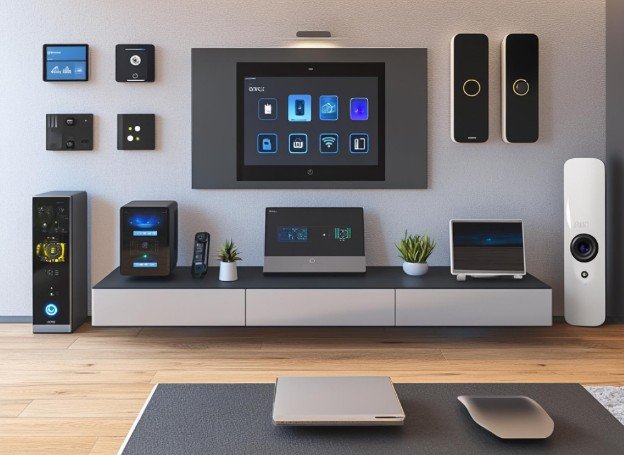
A home audio system can bring music, podcasts, and entertainment to life when sound flows clearly through a space. Professionals in San Francisco focus on careful planning, accurate equipment setup, and precise sound calibration. Each step ensures that audio travels evenly through the room while equipment remains organized and easy to control.
During the planning stage, technicians study the layout of the home and discuss listening goals with the homeowner. Experts such as Performance Audio in San Francisco focus on designing systems that match room size, furniture placement, and everyday listening habits. This process helps determine speaker locations, equipment placement, and wiring paths so the system delivers balanced sound throughout the space.
Initial Consultation And System Planning
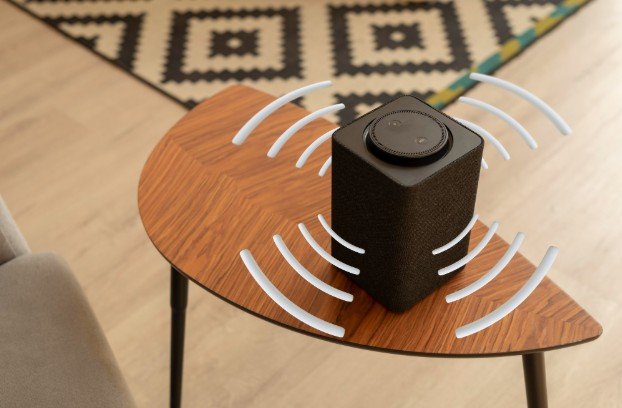
Professional installers in San Francisco begin with a detailed consultation to understand how the audio system will be used. Music listening areas, home theater rooms, and open living spaces require different design approaches. Careful planning ensures the final setup delivers consistent sound coverage.
What Happens During The Consultation
- Room Evaluation: Walls, ceilings, furniture layout, and floor materials influence how sound travels across the room.
- Listening Preferences: Music styles, volume levels, and typical listening locations guide system design decisions.
- Speaker Placement Planning: Installers determine locations that allow sound waves to spread evenly throughout the space.
- Wiring Layout: Cable routes are mapped to remain hidden while maintaining strong and stable connections.
Planning also includes identifying the ideal placement for receivers and other audio components. Organized equipment placement allows easy system access while maintaining a clean visual appearance within the room.
Equipment Setup And Integration
Once the design plan is finalized, technicians begin installing the system. Each step focuses on accurate placement and reliable connections to ensure smooth system operation. Thoughtful setup also highlights the role of technology in emotional bonding, as high-quality audio helps create shared experiences through music and entertainment at home.
Key Steps During Installation
- Speaker Installation: Speakers are mounted on walls, ceilings, or shelves based on the layout established during planning.
- Equipment Configuration: Audio components are connected to receivers and control systems so they function together properly.
- Cable Organization: Wiring is secured behind walls or placed inside discreet channels to maintain a tidy environment.
- Connection Testing: Each component is checked to confirm stable communication with the rest of the system.
Installers in San Francisco also verify that every device powers on correctly and responds to control commands. Careful installation prevents signal interruptions and keeps the system functioning consistently during everyday use. A well-integrated system can also support better time management for remote work by creating a focused and efficient home environment.
System Calibration And Sound Adjustment

After the equipment is installed, technicians fine-tune the system so sound spreads evenly throughout the room. Calibration includes adjusting speaker output levels, balancing audio frequencies, and confirming audio clarity at various listening positions.
This stage ensures that voices, instruments, and background sounds remain clear and natural during music playback or television viewing. Well-known companies like Performance Audio in San Francisco highlight the value of precise calibration because accurate sound balance allows each speaker to contribute correctly to the overall listening experience.
Technicians also test the system using different audio sources. This process verifies that the system responds properly when switching between music streaming, television audio, or other connected devices.
Guidance After Installation
Professional installation includes guidance on operating the system. Homeowners receive clear instructions on adjusting volume levels, selecting audio sources, and managing system controls.
Maintenance tips may also be provided to keep equipment functioning reliably. Clean cable connections, proper ventilation around components, and routine system checks help maintain stable audio performance over time.