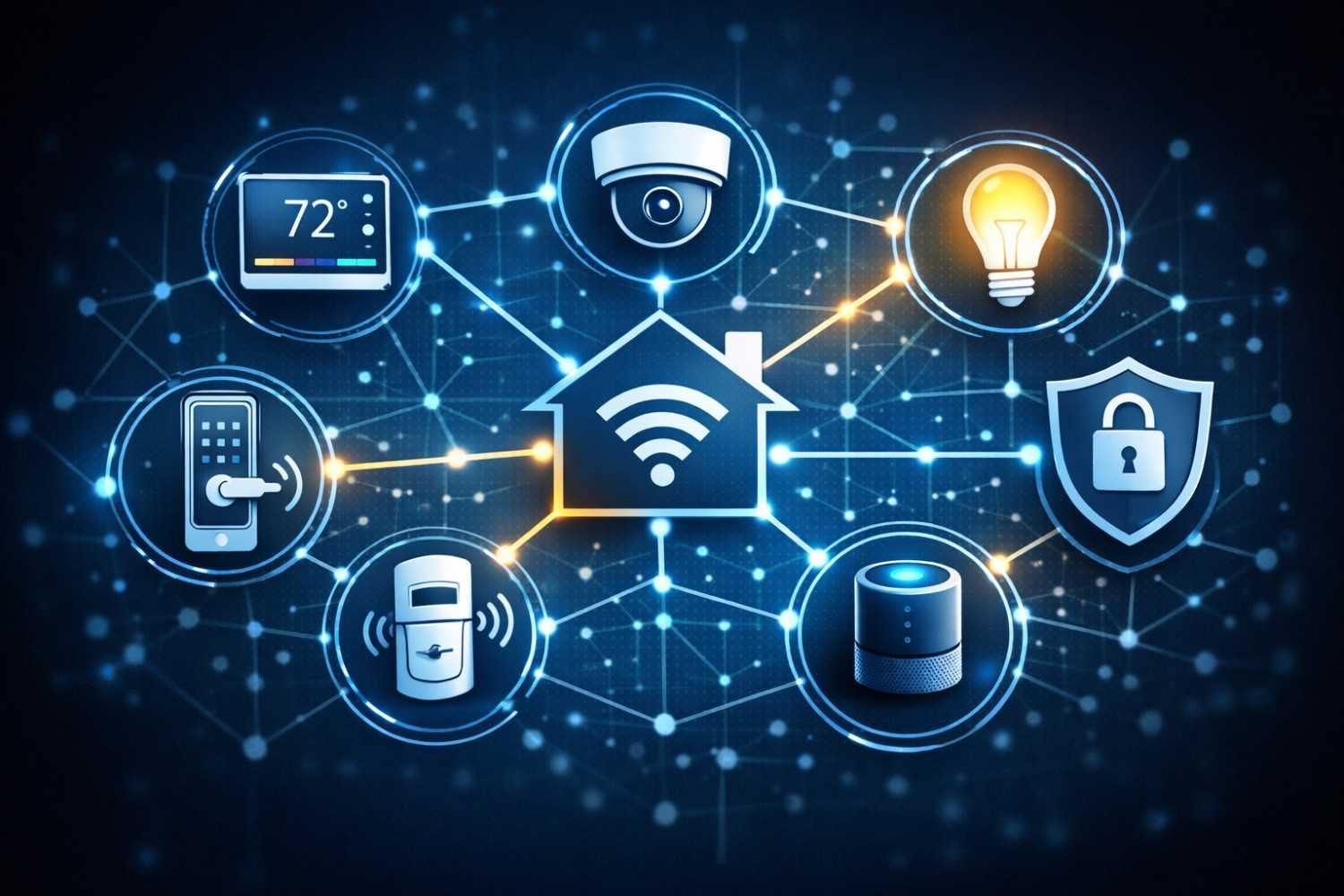
In the last decade, I’ve watched my home transform from a place with a handful of connected gadgets into an ecosystem of intelligent devices that anticipate my needs. When I bought my first smart plug in the early 2010s, it felt like magic just to turn a lamp on with my phone.
Today, nearly 48 % of American homes have at least one smart device, with smart TVs, security cameras, and doorbells among the most popular.
Experts estimate that the number of internet-connected devices will increase from 26 billion in 2019 to around 75 billion by 2025, and that roughly a third of U.S. broadband households will have comprehensive smart-home systems. Those numbers demonstrate the rapid evolution of the smart-home landscape and why understanding this evolution is crucial.
I’ve personally experienced the growing pains. Early devices were clunky, relied on proprietary apps, and sometimes broke after the novelty wore off. But consumer expectations have shifted: people now want systems that save energy, improve security, and adapt seamlessly to their routines.
As a homeowner and tech enthusiast, I’ve spent years experimenting with sensors, thermostats, and voice assistants. I will tell you why the evolution of smart‑home technology matters, where it’s heading, and how you can build a secure, efficient, and human‑friendly smart home.
What Is the Evolution of Smart Home Technology?
Smart‑home technology refers to internet‑connected devices and systems that automate or remotely control household functions—lighting, climate, security, entertainment, and more. Its evolution has been driven by technological milestones, from early home automation protocols to artificial intelligence. The timeline below highlights key stages.
| Period | Milestone / Innovation |
| 1970s – 1980s | X10 and basic home automation. Early power‑line protocols allowed users to control lights and appliances, but were unreliable and complex. |
| 1990s – 2000s | Rise of broadband and Wi‑Fi. Home networking enabled remote control via PCs and early web interfaces; programmable thermostats and early home security systems emerged. |
| 2010s | Smartphones and voice assistants. The introduction of Apple’s HomeKit, Google’s Nest thermostat, and Amazon’s Alexa made smart devices mainstream. Cloud connectivity allowed remote control from anywhere. |
| Early 2020s | Interoperability & IoT boom. An explosion of IoT devices (projected 75 billion by 2025) spurred demand for a unifying standard. Companies launched ecosystems (e.g., Apple HomeKit, Google Home, Amazon Echo). |
| 2022 – 2025 | Matter & local control. The Matter standard was launched to ensure devices from different brands work together. Local execution became a priority for speed and privacy. |
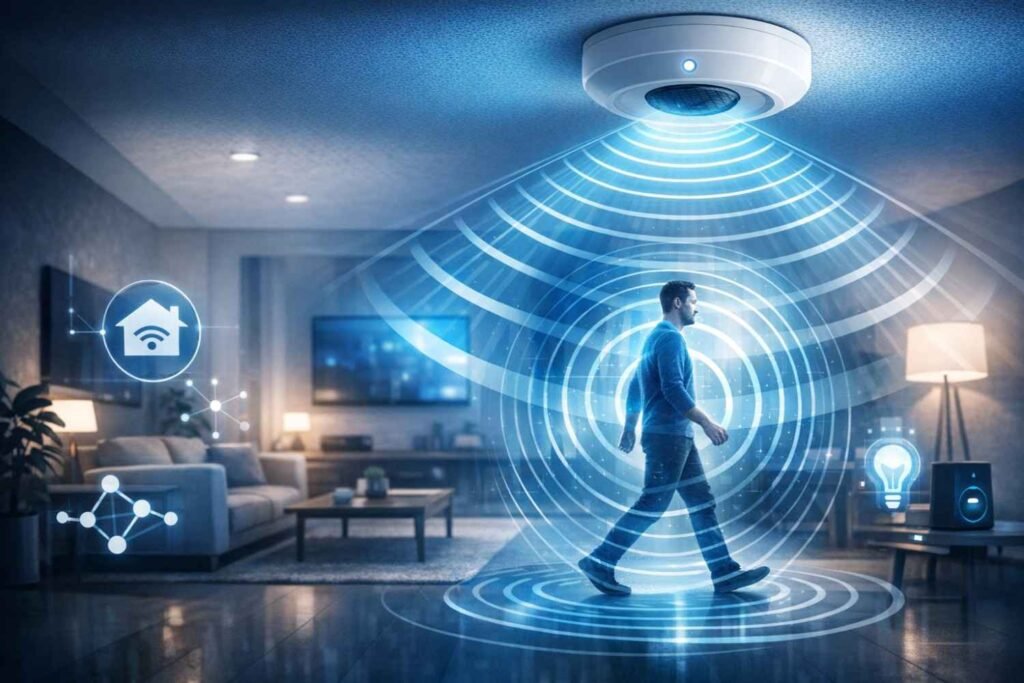
| 2025 – 2026 | AI & presence sensing. mmWave presence sensors and AI‑powered automation enable devices to anticipate needs—lights adjust when you enter a room; thermostats learn your schedule. Smart‑home networks increasingly run on a mix of Wi‑Fi, Zigbee, Z‑Wave, and Matter for reliability. |
The evolution of smart-home technology is ongoing. While early adoption focused on novelty, today’s advancements emphasize integration, energy efficiency, and human-centric design. For deeper integrations or home-automation projects, resources the perfect love match have been invaluable on my journey.
Why It Matters (Benefits & Effects)
Smart homes aren’t just about convenience; they can deliver significant social, environmental, and psychological benefits. Below are some of the reasons the evolution of smart‑home technology matters:
- Energy savings and sustainability – Smart thermostats can cut energy bills by roughly 8 %, and new energy‑efficient technologies are estimated to reduce household energy use by up to 30 %. Automated lighting and appliances allow precise control over consumption. For a broader industry perspective, a recent report on Emerging Trends and Strategies Shaping the Smart Home highlights that the U.S. smart‑home sector is expanding around 20 % per year and that energy‑efficient technologies can reduce household energy use by as much as 30 %; the report attributes this growth to government incentives and consumer demand for sustainable solutions.
- Safety and security – Smart cameras, doorbells, and sensors deter intruders and provide real‑time alerts. Horowitz Research reports that 66 % of smart‑home users own home security cameras. Devices like smart locks and leak sensors can prevent costly accidents.
- Comfort and convenience – Voice assistants and automation routines simplify everyday tasks: lights turn on when you enter, coffee brews before you wake up. AI‑powered presence sensors create seamless experiences.
- Health and wellness – Connected air purifiers, thermostats, and sleep monitors help maintain optimal indoor environments. For older adults, inclusive smart‑home designs can support independent living; researchers note that usability, accessibility, and trust are critical barriers that must be addressed.
- Behavioral insights – Devices like the Nest thermostat provide feedback on energy usage and compare your performance with the wider community. These insights encourage more sustainable habits.
- Equity & accessibility – The adoption of smart‑home devices varies across demographics. Younger adults (18–34) and multicultural households are significantly more likely to own smart devices. Understanding these patterns helps ensure solutions meet diverse needs.
Step‑by‑Step Guide to Building or Upgrading Your Smart Home
1 . Start With a Vision and Assess Your Needs
Begin by asking yourself what you hope to achieve. Do you want to save energy, improve security, make caregiving easier, or simply enjoy convenience? Talk with household members to get buy‑in—NIST researchers stress that everyone should be comfortable with devices installed at home. Write down your priorities and the rooms or systems you want to automate first.
2 . Choose a Compatible Ecosystem & Plan for Interoperability
Early smart‑home devices often worked only within their own apps. To avoid fragmentation, select an ecosystem that supports open standards like Matter, which allows devices from different brands to communicate. While Matter is gaining momentum, technologies such as Zigbee and Z‑Wave remain essential for stability and low power consumption. Consider investing in a hub (e.g., Home Assistant or SmartThings) that can bridge multiple protocols.
3 . Secure Your Network and Devices
Security can be an afterthought, but it’s critical. NIST cybersecurity experts recommend several practices:
- Research before buying – Check whether the manufacturer has a history of privacy or security breaches.
- Enable multi‑factor authentication – Use strong, unique passwords and enable multi‑factor authentication when possible.
- Don’t reuse passwords – Reused passwords are a common vector for attacks.
- Disable unnecessary features – Turn off functions you don’t need to reduce risk.
- Update automatically – Keep firmware up to date. Many users don’t realize devices need updates.
- Segment your network – Set up a separate Wi‑Fi network for smart devices to isolate them from sensitive data.
By adopting these practices, you’ll mitigate common vulnerabilities identified by cybersecurity researchers and policymakers.
4 . Start With Core Devices
Not all devices offer equal value. Begin with systems that deliver the greatest impact:
- Thermostats and energy management – Smart thermostats like Nest or Ecobee learn your schedule and adjust heating and cooling automatically, saving money and reducing carbon emissions.
- Lighting – Smart bulbs and switches allow dimming, scheduling, and remote control. They’re easy to install and can integrate with motion sensors.
- Security – Cameras, doorbells, and contact sensors provide peace of mind. Choose devices with strong encryption and good privacy practices.
- Voice assistants/hubs – Devices like Amazon Echo, Google Nest Hub, or Apple HomePod Mini act as central controllers for your smart home.
5 . Automate and Personalize
Once the foundation is laid, create automation routines that match your lifestyle. Use presence sensors—modern mmWave sensors detect subtle movement to activate lighting or HVAC intuitively. Build scenes (morning routine, movie night) that adjust multiple devices with a single command. Automations shouldn’t be purely technical; think about human‑centered design: how the routines make you feel and whether they reduce stress.
6 . Expand Thoughtfully
It’s tempting to buy every gadget, but more devices don’t always mean better living. Common pitfalls include adopting single‑purpose devices that become obsolete quickly. When adding new components, consider longevity, ecosystem compatibility, and the learning curve. Focus on devices that improve comfort, efficiency, or safety. For older family members or people with disabilities, prioritize accessibility features.
7 . Monitor, Maintain, and Reflect
Smart homes require ongoing care. Regularly review energy reports and device logs to understand how your system behaves. Replace outdated hardware, audit user permissions, and revisit automation rules as your lifestyle changes. Maintaining a smart home isn’t just about technology—it’s an opportunity to reflect on your habits and goals.
A good practice is to schedule a quarterly “smart‑home check‑in” to update firmware, test automations, and discuss adjustments with your household. You can also share your experiences on forums like Reddit or Quora to learn from others.
Best Practices & Tips
- Prefer local control –sources suggest that local execution (running automations within your home network) improves reliability and privacy, making your system less dependent on cloud services.
- Combine protocols – Even with Matter’s rise, Zigbee and Z‑Wave devices remain valuable for low‑power, battery‑friendly sensors. Use a hub that supports multiple protocols for flexibility.
- Leverage energy management – Choose devices that offer real‑time energy monitoring and integrate with utility incentives. According to ConsumerAffairs, smart thermostats can reduce energy bills by about 8 %.
- Adopt the U.S. Cyber Trust Mark – The Federal Communications Commission is finalizing a “Cyber Trust Mark” label to help consumers identify devices that meet minimum security standards. Look for this label when shopping.
- Plan network capacity – Ensure your Wi‑Fi or wired network can handle dozens of devices without slowdowns. Consider upgrading to Wi‑Fi 6 or adding mesh access points.
- Practice digital hygiene – Review app permissions, disable voice assistant purchases for children, and use privacy settings to control data sharing.
- Consult official security guidelines – The U.S. National Institute of Standards and Technology offers practical recommendations for keeping your smart home safer and more private, including planning before buying, enabling multi‑factor authentication, and segmenting your network. There are also Tips to Keep Your Smart Home Safer available online to reduce privacy risks.
- Document your setup – Keep a simple spreadsheet listing devices, IP addresses, firmware version,s and warranty dates. This will help with troubleshooting and upgrades.
- Design for inclusivity – Follow human‑centered principles by making controls intuitive, accessible, and supportive of mental health.
Common Mistakes to Avoid
1. Buying gadgets without a plan – Many people accumulate devices without considering interoperability or real needs. Start with goals, then select devices.
2. Ignoring security – Default passwords, unpatched firmware, and lax network segmentation are common vulnerabilities.
3. Over‑automation – Too many automated routines can feel intrusive. Focus on meaningful automations that genuinely improve comfort.
4. Neglecting updates – Outdated firmware exposes your home to threats. Enable automatic updates.
5. Underestimating privacy concerns – Always review what data a device collects and how it’s used. Some devices store recordings in the cloud by default; adjust settings to your comfort level.
Expert Insights
- Adoption trends – Horowitz Research’s 2025 report found that 48 % of U.S. households own at least one smart home device, with cameras (66 %) and sound systems (57 %) among the most common. Younger and multicultural consumers are leading adopters.
- Market growth – BusinessWire reports that the U.S. smart‑home sector is growing around 20 % per year, with energy‑efficient technologies cutting household energy usage by up to 30 %.
- Security and usability – NIST studies show that people often continue using smart‑home devices despite concerns about privacy and security. Many users aren’t aware of firmware updates or best‑practice settings.
- Technological shifts – Forbes notes that local control and the Matter standard will unify device ecosystems, but established protocols like Zigbee and Z‑Wave remain essential. Advanced presence sensors (mmWave) enable more intuitive automation.
- Inclusive design – Public health researchers advocate designing smart homes that address usability, accessibility, and trust barriers for older adults and marginalized communities.
Frequently Asked Questions (FAQs)
1. Are smart‑home devices safe?
Smart‑home devices can be safe when configured properly, but they also present cybersecurity risks. Use strong, unique passwords, enable multi‑factor authentication, update firmware automatically, and segment devices on a separate network.
2. What’s the difference between Zigbee, Z‑Wave, and Matter?
Zigbee and Z‑Wave are low‑power mesh networking protocols used by many sensors and switches. They require a hub but offer stability and long battery life. Matter is a newer, IP‑based standard developed by major tech companies to ensure interoperability across Wi‑Fi, Ethernet, Thread, and existing protocols; it allows devices from different brands to work together seamlessly.
3. How much energy can a smart thermostat save?
Smart thermostats typically save around 8% on heating and cooling costs. Energy‑efficient technologies and automations can reduce overall home energy use by up to 30%.
4. Do smart‑home devices increase property value?
While research is still emerging, integrated smart‑home systems can make properties more attractive to buyers by improving energy efficiency, security, and modern appeal. Features like smart thermostats and security systems are often highlighted in real‑estate listings.
5. How can I make a smart home accessible for older family members?
Choose devices with clear interfaces, voice control, and tactile feedback; avoid complex apps. Frameworks proposed by public‑health experts stress the importance of usability and trust. Consider emergency‑response devices and remote monitoring for caregivers.
A Few Honest Thoughts Before You Go
Building a smart home isn’t about chasing the latest gadget—it’s about creating a living space that supports your values and daily rhythms. I’ve learned that simplicity often beats complexity. My most valuable upgrades aren’t the flashy ones but the quiet routines: lights that dim when I start winding down, a thermostat that knows when I’m away, a security camera that sends me peace‑of‑mind alerts.
Embracing open standards like Matter has cut down on headaches, and adopting NIST’s security practices keeps me more confident about privacy. Most importantly, smart‑home tech has encouraged conversations with my family about how we live and what we value. If you’re just starting, remember to start small, plan thoughtfully, and prioritize devices that make a real difference.