Over the past few years, I’ve been on a journey to simplify my wardrobe and my life. As a younger professional, I loved hunting for bargains and chasing trends, but I quickly realized my overflowing closet wasn’t making me happier. The fashion industry is one of the planet’s most resource‑intensive sectors.
Every year, it generates around 92 million tons of landfill waste, and textile production has doubled in the past 15 years. At the same time, fast fashion is responsible for roughly 10 % of global carbon emissions and is the second‑largest consumer of water. These facts shook me and pushed me to rethink how I shop.
The concept of a sustainable capsule wardrobe offered a solution. Instead of buying more, I began curating a small collection of high‑quality pieces that could mix and match effortlessly. This approach reduced my environmental footprint, saved money and eliminated the morning “what do I wear?” panic. In this post, I’ll share what a capsule wardrobe is, why it matters and how you can build one on a budget—drawing from research, personal experience and consumer advocacy organizations.
What Is a Sustainable Capsule Wardrobe?
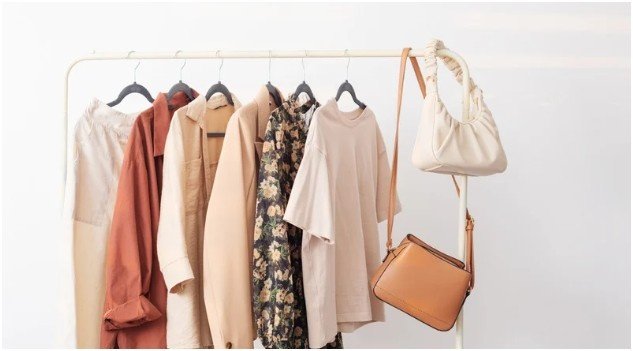
A capsule wardrobe is a curated collection of versatile, timeless clothing items that can be combined to create many outfits. Each piece is thoughtfully selected to fit your lifestyle, colour palette and personal style. Rather than chasing every trend, you invest in durable items—think a well‑fitting pair of jeans, a classic blazer, a comfortable pair of shoes and a few tops that can be dressed up or down.
A sustainable capsule wardrobe also takes into account the environmental and social impacts of fashion. It prioritizes ethically produced garments, natural fibres, minimal waste and long‑term wearability.
The goal isn’t to restrict yourself to an exact number of items but to curate a wardrobe that works for you, much like finding the perfect love match. When every item earns its place, getting dressed becomes a pleasure rather than a chore. A capsule wardrobe can be refreshed seasonally, but the core remains stable.
Why It Matters (Benefits & Effects)
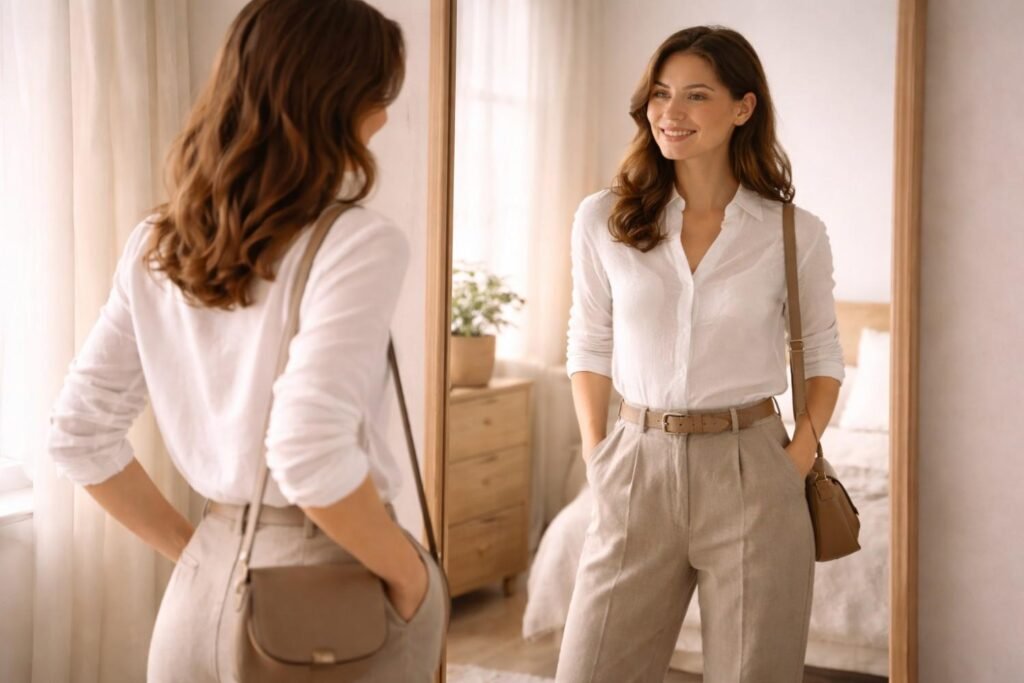
Creating a sustainable capsule wardrobe isn’t just a fashion choice—it’s an act of environmental responsibility and self‑care. Here’s why it matters:
- Reduces environmental impact – Fast fashion is notorious for its waste and pollution. The United Nations notes that fashion consumes 10 % of global carbon emissions and large amounts of water. According to EarthDay.org, textile production has doubled in 15 years.
- Cuts textile waste – In the United States, the Environmental Protection Agency estimated that 17 million tons of textiles entered the municipal waste stream in 2018, with only 2.5 million tons recycled and 11.3 million tons landfilled.
- Saves money long term – Buying durable pieces may cost more upfront, but reduces the need for constant replacements. Over a year, I spent less than I used to on “budget” clothes because I wasn’t chasing every sale.
- Simplifies daily routines – With a curated closet, you spend less time deciding what to wear. The cognitive load of too many choices—sometimes called decision fatigue—disappears.
- Supports ethical brands and secondhand markets – A capsule approach encourages shopping from sustainable designers or thrift stores. It also promotes clothing swaps and repairs, strengthening community ties.
- Boosts personal style and confidence – When your closet is filled with pieces that fit well and reflect who you are, you feel more confident and authentic.
Step‑by‑Step Guide to Building Your Capsule Wardrobe on a Budget
1 . Evaluate Your Current Wardrobe and Declutter
Begin by taking everything out of your closet. Sort items into keep, donate, repair and recycle piles. Ask yourself: Do I love this item? Does it fit my lifestyle? Could someone else enjoy it more? Remember that 11.3 million tons of textiles were landfilled in 2018—donating and recycling extend their life. Repair clothes you still love; minor mending or tailoring can transform an item.
2 . Define Your Lifestyle and Colour Palette
Your wardrobe should suit your everyday activities—work, hobbies, climate and social life. If you work remotely, comfortable yet polished pieces might dominate; if you’re active, high‑quality athleisure may be essential. Next, choose a base colour (black, navy, beige) and a few accent colours. This ensures all items coordinate. For example, my base palette is navy and camel with accents of olive and white. Neutrals make mixing and matching easy.
3 . Set a Realistic Budget and Plan Purchases
Determine how much you can invest in your wardrobe over six months or a year. A budget keeps you from impulse buys and helps prioritize essentials. I allocate funds for quality staples—like a good pair of boots or a tailored jacket—and then watch for sales or secondhand options. Building slowly allows you to spread costs and avoid debt.
4 . Shop Secondhand and Embrace Slow Fashion
Consumer advocacy group CALPIRG suggests resisting the urge to purchase hauls, avoiding buying new clothes and shopping secondhand whenever possible. Thrift stores, consignment shops and online resale platforms offer high‑quality garments at a fraction of retail prices. Clothing swaps are another eco‑friendly option; bring items you no longer wear and trade with friends or community members. When you do buy new, choose ethical brands that use organic cotton, linen, hemp or recycled fibres.
5 . Invest in Versatile Essentials
A well‑rounded capsule wardrobe includes a mix of basics and statement pieces. Consider:
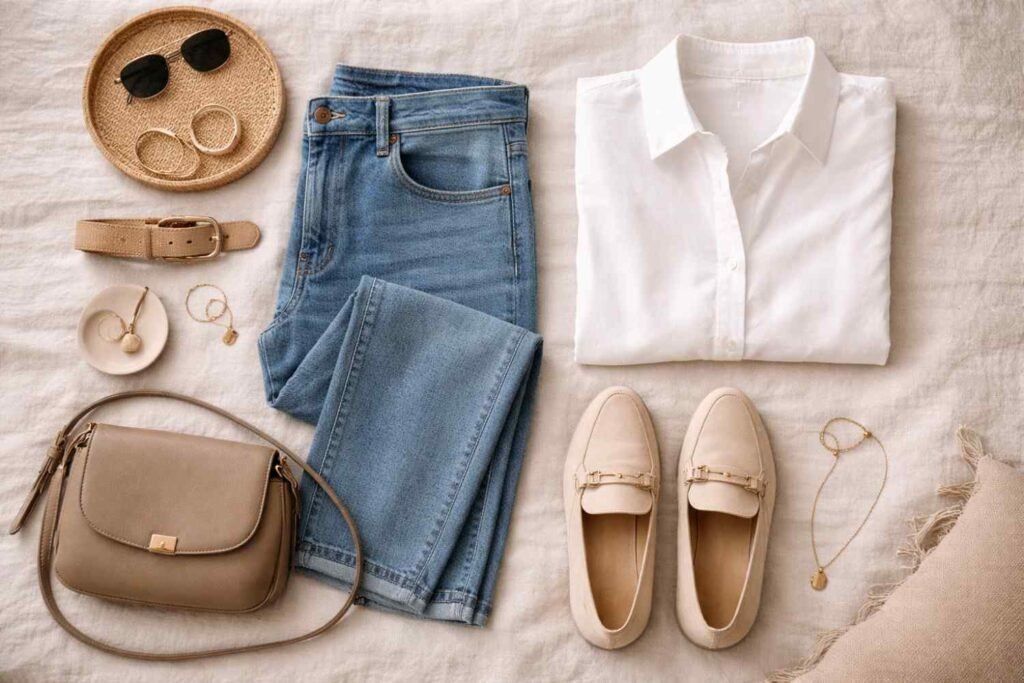
- Tops – A classic white shirt, quality T‑shirts, and lightweight sweaters.
- Bottoms – Straight‑leg jeans, tailored trousers, a skirt that flatters.
- Layers – A blazer, cardigan and denim jacket for varied looks.
- One‑piece items – A little black dress or a jumpsuit.
- Shoes – Comfortable sneakers, versatile boots and dress shoes.
- Accessories – A belt, scarf and simple jewellery to elevate outfits.
Aim for pieces that can transition across seasons and occasions. Avoid overly trendy items; instead, choose designs that endure. Use the cost per wear metric: a $200 jacket worn 100 times costs $2 per wear, while a $40 fast‑fashion jacket worn five times costs $8 per wear.
6 . Maintain and Refresh Thoughtfully
Capsule wardrobes aren’t static. As seasons and lifestyles change, rotate items in and out. Mend and care for your clothes; proper washing and storage extend their lifespan. When an item no longer serves you, donate or sell it so it continues its journey. Remember that repairing garments instead of discarding them is one of CALPIRG’s top tips. Keep a running list of pieces to replace or upgrade, and plan these purchases during sales or off‑season.
7 . Practice Mindful Consumption and Celebrate Your Style
Finally, embrace the mindset of quality over quantity. Each purchase should bring long‑term value and joy. Unsubscribe from marketing emails that trigger impulse buys. Follow influencers or forums that promote minimalism, like the capsule wardrobe thread for community support. Celebrate your personal style—this process isn’t about conforming to strict rules but about building confidence and aligning your wardrobe with your values.
Best Practices & Tips
Choose natural and recycled fabrics – Opt for organic cotton, linen, hemp or recycled polyester. These fibres have lower environmental impacts compared to conventional cotton and synthetic blends.
- Focus on fit and comfort – Clothes that fit well are more likely to be worn. Try items on or check measurements when buying online.
- Rotate seasonally – Store off‑season clothes in breathable bags to preserve them. This prevents clutter and extends garment life.
- Track cost per wear – Before buying, estimate how many times you will wear an item. Divide the price by the estimated wears; aim for a low cost per wear.
- Care for your clothes – Follow care labels, wash less frequently and air‑dry when possible. Washing clothes releases microfibres into waterways; washing less reduces pollution.
- Plan your wardrobe visually – Use a spreadsheet or wardrobe‑planning app to see how pieces pair. This helps prevent duplicate purchases.
- Ask questions before buying – Who made this garment? Is it fair‑trade or ethically produced? How long will it last? Conscious questions discourage waste.
Common Mistakes to Avoid
1. Chasing trends – Trends change quickly. Investing in timeless pieces ensures longevity.
2. Buying for the fantasy self – Purchase clothes that suit your actual lifestyle, not the life you imagine. Otherwise, they’ll gather dust.
3. Neglecting quality – Cheap garments wear out faster and contribute to landfill waste. Invest in durability.
4. Overstuffing the capsule – A capsule wardrobe works because it’s edited. Resist the urge to add duplicates or unnecessary extras.
5. Ignoring maintenance – Failing to repair, clean and store garments properly shortens their lifespan and wastes money.
Expert Insights
- Environmental impact – EarthDay.org reports that the fashion industry produces 92 million tons of landfill waste annually, and textile production has doubled in the past 15 years. Coupled with Earth.org’s observation that fashion accounts for 10 % of global carbon emissions and is the second‑largest consumer of water, these numbers highlight the urgency of sustainable wardrobes.
- Waste statistics – The U.S. Environmental Protection Agency estimated that in 2018, the U.S. generated 17 million tons of textile waste, recycled only 2.5 million tons, and sent 11.3 million tons to landfills. Recycling rates were just 14.7 %. These figures show how much improvement is needed.
- Consumer advice – CALPIRG emphasizes actions consumers can take: resist purchasing hauls, avoid buying new clothes, shop secondhand, host clothing swaps, repair clothing and make a capsule wardrobe. These simple behaviours reduce waste and save money.
- Water and microplastics – According to Earth.org, producing one cotton shirt requires about 700 gallons of water, while a pair of jeans needs 2,000 gallons. Washing synthetic fabrics releases 500,000 tons of microfibres into oceans each year, equivalent to 50 billion plastic bottles.
- Projected growth of textile emissions – Emissions from textile manufacturing are expected to increase by 60 % by 2030 if current practices continue. A capsule wardrobe helps counteract this trend by reducing consumption.
Frequently Asked Questions (FAQs)
1. How many items should a capsule wardrobe have?
There’s no strict number; most people find 30–50 pieces (including shoes and outerwear) sufficient for a season. Focus on versatility and quality rather than hitting a specific count.
2. Can I build a capsule wardrobe if I love fashion trends?
Yes! Incorporate a few trend pieces each season, but keep the core timeless. When trends fade, donate or sell those pieces to keep your wardrobe lean.
3. Is it expensive to build a sustainable wardrobe?
Initially, some pieces may cost more, but they save money over time because they last longer. Shopping secondhand and taking advantage of sales helps maintain your budget.
4. How do I care for sustainable fabrics?
Follow garment labels, wash in cold water and use gentle detergents. Air‑dry when possible to reduce energy use and wear.
5. What should I do with clothes I no longer need?
Donate them to charities, resell them online, or host a clothing swap. Avoid throwing them away; the U.S. sends millions of tons of textiles to landfills every year.
6. Are synthetic fabrics always bad?
Not necessarily. Recycled polyester and nylon reduce waste, and some durable synthetic blends have long lifespans. However, washing synthetics releases microplastics, so consider using a microfibre filter bag.
Wrapping This Up From One Fashion Lover to Another
Switching to a capsule wardrobe on a budget has been one of the most liberating changes I’ve made. I no longer waste hours trying on piles of clothes, and my bank account thanks me for investing in pieces that truly last. More importantly, I feel good knowing I’m contributing less to the textile waste crisis.
The statistics are sobering—millions of tons of clothes end up in landfills each year, and the fashion industry consumes vast amounts of water and energy—but change starts with us. By shopping mindfully, repairing what we own and embracing our unique style, we can dress well and live lightly.