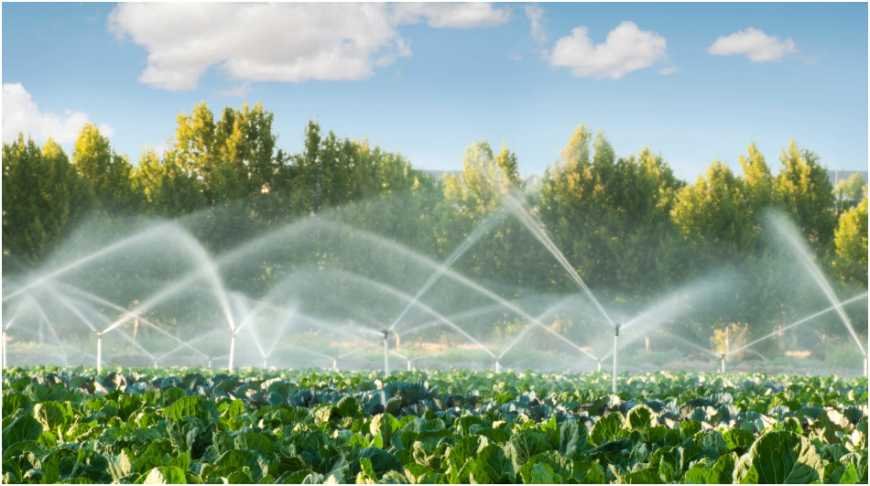
Water conservation is often discussed as a matter of habit: shorter watering windows, less turf, or tighter restrictions. Those ideas matter, but they miss the bigger point. Real conservation begins earlier, at the design stage. When a system is planned around soil, slope, plant type, pressure, and usage patterns, it uses water more precisely from day one.
That is why irrigation design in Colorado should be understood as infrastructure, not just equipment. The goal is not only to move water from one place to another. The goal is to match supply to demand with enough accuracy that landscapes stay healthy without waste. Colorado Outdoor Environments approaches that problem as both a technical and long-term management challenge, which is the right lens for properties where water efficiency has real operational value.
Why Water Conservation Depends on Design, Not Just Discipline
Many property owners assume conservation is mostly a matter of user behavior. In practice, even disciplined watering habits cannot fully overcome a poorly designed system. Oversized zones, mismatched heads, uneven pressure, and inefficient layouts can force landscapes into a cycle of underperformance and overwatering.
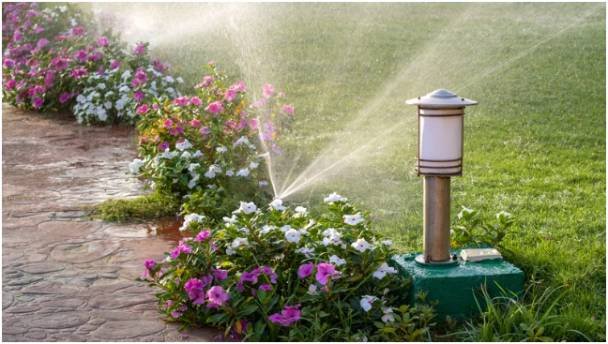
A well-designed system changes the baseline. It distributes water more evenly, reduces runoff, and avoids the common habit of watering every area as if it needs the same amount. That matters on large properties, but it matters just as much on residential landscapes where a few inefficient zones can quietly waste a lot of water over time.
Colorado’s climate and terrain make this even more important. A system has to account for variable exposure, elevation shifts, wind, soil conditions, and seasonal change. If those variables are ignored, water use becomes reactive instead of intentional. Colorado Outdoor Environments builds around that reality by designing systems that respond to site conditions instead of fighting them.
The Cost of “Good Enough” Irrigation
The most expensive irrigation problems are often the ones people stop noticing. A zone that sprays sidewalks, a low spot that stays saturated, or a valve issue that never gets corrected can all create ongoing waste without obvious failure. Those small inefficiencies tend to compound.
In conservation terms, “good enough” is rarely good enough. A system that looks functional can still be using far more water than necessary because it was never calibrated to the property’s actual needs. Strong design reduces that gap by making each component serve a specific purpose.
What Strong Irrigation Design Actually Looks Like
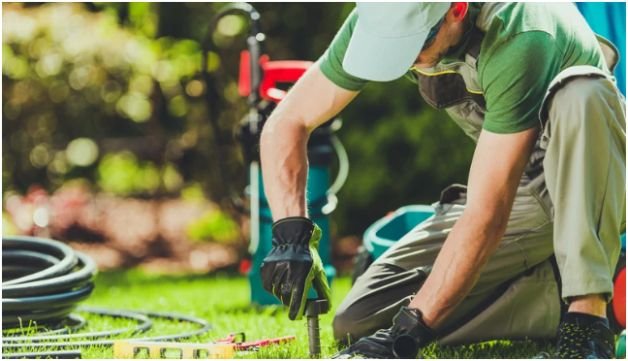
Good irrigation design is not just about placing heads and valves. It is a planning process that begins with the site and ends with a system that can be managed intelligently over time. Colorado Outdoor Environments brings over 30 years of experience to that process, and that matters because irrigation is a discipline where small technical decisions create large downstream effects.
At a minimum, strong design considers:
- Property slope and drainage patterns
- Water pressure and available supply
- Soil type and infiltration rate
- Planting zones and sun exposure
- Turf, shrub, and bed requirements
- Access points for maintenance and monitoring
- The hydraulic system components needed for balanced performance
Each of these factors affects how water moves and how efficiently it is used. A system that ignores any one of them is more likely to waste water or produce uneven growth.
The best systems also avoid treating every area the same. Turf often needs a different delivery strategy than shrubs or planting beds. Some areas benefit from spray heads, while others are far better served by drip irrigation. The point is not to use the newest technology for its own sake. The point is to use the right delivery method in the right place.
Smart Irrigation Technology Makes Conservation Measurable
Water-saving design is more effective when it can be monitored. That is where Smart Irrigation Technology becomes valuable. Instead of waiting for visible signs of stress or waste, managers can track performance and respond faster.
Colorado Outdoor Environments can integrate features such as soil moisture sensors, precipitation sensors, and flow or pressure sensors. Those tools give the system a much better sense of what is happening on site. If rainfall changes the landscape’s needs, or if a pressure issue affects distribution, the system can surface that information before it becomes a major problem.
That kind of visibility matters because conservation is not only about using less water. It is about knowing where water is going and whether it is being applied effectively.
Where Drip Irrigation Delivers the Greatest Efficiency
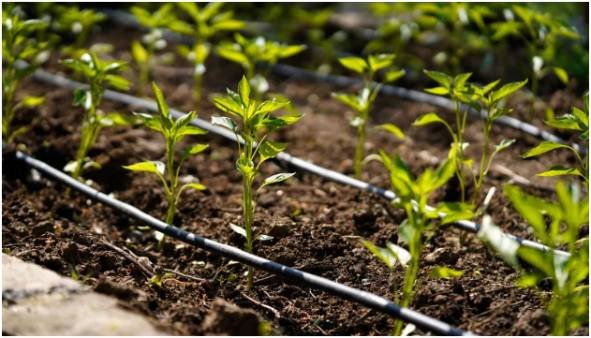
Drip irrigation is one of the clearest examples of conservation through design. Instead of spraying broad areas, it delivers water more directly to the root zone. That reduces overspray, lowers evaporation loss, and gives plants a more controlled supply of moisture.
This does not mean drip irrigation should replace every other method. It is not a universal solution, and it is not always the right fit for every zone. But in beds, planted areas, and other targeted applications, it can be an excellent tool for reducing waste while supporting healthy growth.
Drip irrigation is especially useful when precision matters more than coverage. On slopes, for example, slow delivery can help water soak in rather than run off. In planting beds, it can reduce the amount of water that reaches bare soil or hardscape. In estates, subdivisions, and ranch settings, it can also simplify the challenge of managing different plant needs across large, varied areas.
Colorado Outdoor Environments uses this kind of matching logic intentionally. The value is not in saying one method is always better. The value is in selecting the method that fits the zone.
One System, Different Watering Strategies
A mature irrigation plan usually combines delivery methods. Turf may use one approach, decorative beds another, and isolated plantings another still. That is where design becomes strategic rather than mechanical.
The advantage of a combined approach is straightforward: it avoids overcommitting water to areas that do not need it. A one-product mindset pushes every zone toward the same solution. A combined-product strategy uses the right tool for each part of the property, which is usually how better conservation happens in the real world.
How Data and Monitoring Reduce Waste Over Time
A thoughtfully designed system has value on installation day. A monitored system keeps creating value afterward. That is one reason Colorado Outdoor Environments emphasizes smart controls and real-time feedback in its irrigation work. Conservation is not a one-time decision; it is an operating discipline.
Remote access through a smartphone, tablet, or computer makes it easier to manage schedules and respond to conditions without waiting for a site visit. If weather shifts, usage changes, or a fault appears, the response can be faster and more accurate. That reduces both water waste and operational friction.
Just as important, monitoring turns irrigation from guesswork into evidence. Water use can be viewed through charts and graphs, which help managers spot patterns that would otherwise stay hidden. A zone that runs too often, a leak that causes unusual flow, or a recurring pressure problem becomes easier to identify when the data is visible.
For many properties, this is where long-term conservation is won. The initial design creates efficiency with advanced plumbing technology . The monitoring system protects that efficiency from drifting over time.
The Strategic Value of Working With Colorado Outdoor Environments
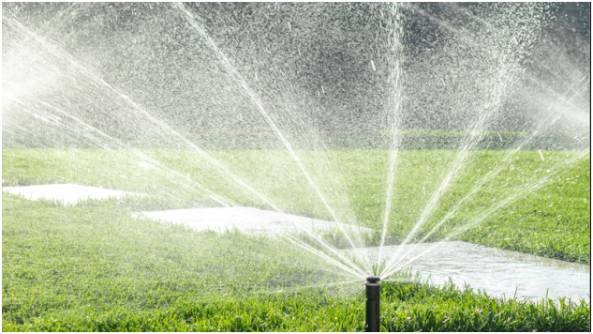
There is a difference between installing irrigation and designing it as a conservation system. Colorado Outdoor Environments stands out because it treats irrigation as a technical discipline that has to serve both landscape health and water responsibility.
That approach matters for several reasons. First, the company has been working with clients for over 30 years, which means it understands how design decisions perform over time, not just on paper. Second, its team brings more than 90 years of combined experience and education in irrigation-related fields, which helps when a site has unusual hydraulic or topographic demands. Third, its credentials and membership profile reinforce a professional commitment to the field rather than a one-size-fits-all sales model.
The result is a more credible conservation strategy. Instead of relying on generic settings or broad assumptions, Colorado Outdoor Environments builds systems around the actual property and maximise your property value. That is what makes the difference between irrigation that simply functions and irrigation that supports conservation in a meaningful way.
If you want to see how that approach is framed in practice, the company’s irrigation design overview is a useful starting point.
Conservation Works Best When It Is Built Into the System
The most effective water-saving strategies are usually the ones you do not have to keep thinking about every day. That is the real promise of strong irrigation design in Colorado. It creates a system that is already aligned with the property’s needs, so conservation becomes part of normal operation instead of an afterthought.
That is also why the smartest operators do not begin with the question, “How do we water less?” They begin with, “How do we water more precisely?” Precision leads to healthier landscapes, fewer avoidable repairs, lower operating friction, and a better long-term relationship with water itself.
Colorado Outdoor Environments understands that conservation is not a trend. It is a design standard. When irrigation is planned carefully, monitored intelligently, and adjusted to real site conditions, water use becomes more responsible without sacrificing landscape quality. That is the kind of result worth building toward.