In the construction and building protection industry, the durability and longevity of a structure are largely influenced by the quality of materials used and the methods implemented to counter environmental effects. One crucial element that has gained significant recognition for enhancing building protection is the use of a vapour permeable membrane. This component plays a vital role in balancing moisture control while maintaining the building’s structural integrity.
Understanding Vapour Permeable Membranes
A vapour permeable membrane is a specialised barrier installed in the building envelope that allows water vapour to escape from within the structure while preventing liquid water from penetrating into the building fabric. Its unique properties facilitate the natural ventilation of moisture, which is essential to avoid condensation build-up, mould growth, and material degradation.
Traditional impermeable membranes often trap moisture within walls, leading to dampness and structural weakening. Conversely, vapour permeable membranes ensure that moisture can vaporise and exit, thereby maintaining a dry and healthy internal environment. This balance is critical in both residential and commercial buildings, particularly in climates prone to high humidity or significant temperature variations.
Importance in Modern Construction
The inclusion of vapour permeable membranes aligns with modern building standards focused on sustainability and resilience. Building control authorities increasingly recognise the importance of effective moisture barriers that do not compromise air permeability and ventilation. Moreover, these membranes contribute to energy efficiency by reducing the risk of thermal bridging caused by moisture accumulation.
Incorporating a vapour permeable membrane in walls, roofs, and floors creates a comprehensive moisture management system. This system supports the durability of insulation materials, prevents rot in timber components, and mitigates corrosion risk in metal structures, thereby extending the service life of the building.
Material Properties and Selection
Vapour permeable membranes are typically constructed from advanced synthetic polymers engineered for specific permeability rates. It is essential to select products that have been tested for their water resistance, vapour permeability, and durability under varying environmental conditions.
One key specification is the MVTR (Moisture Vapour Transmission Rate), which measures the rate at which water vapour passes through the membrane. A well-balanced MVTR ensures adequate breathability without compromising waterproofing. Additionally, the membrane’s resistance to UV exposure and mechanical damage during installation must be considered to maintain long-term effectiveness.
Installation Methods
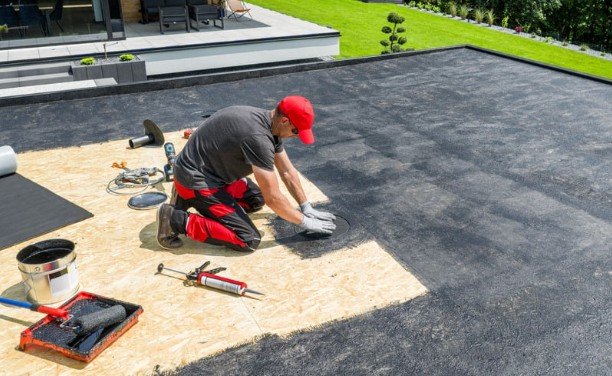
The effectiveness of a vapour permeable membrane is heavily dependent on correct installation practices. Membranes must be integrated seamlessly into the building envelope with attention to overlap, sealing, and fastening, in accordance with manufacturers’ guidelines and local building codes.
Improper installation can lead to moisture ingress or impede vapour flow, negating the benefits of the membrane. Therefore, specialist training for construction professionals and rigorous quality control during installation are vital to ensure the functional integrity of the membrane system.
Applications Across Building Components
Additionally, floor membranes can prevent ground moisture rising into subfloor spaces, which is particularly important in areas with high groundwater or humidity levels. This comprehensive approach to moisture control is essential in maintaining the building’s structural and indoor environmental quality over time.
Benefits for Building Occupants
By managing moisture effectively, vapour permeable membranes enhance indoor air quality and occupant comfort. The prevention of dampness and mould growth contributes directly to healthier living and working environments. Reduced moisture levels also help maintain consistent indoor temperatures, supporting occupant wellbeing and potentially reducing heating and cooling costs.
Durability and Long-Term Performance
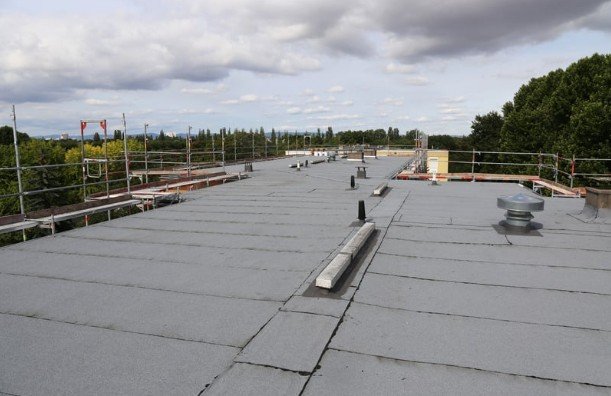
The use of vapour permeable membranes contributes significantly to the longevity of a building. By minimising moisture-related deterioration of structural components, membranes help maintain the building’s load-bearing capacity and overall safety. This durability translates into reduced maintenance costs and fewer repairs over the building’s lifespan.
Furthermore, buildings that incorporate vapour permeable membranes demonstrate improved resilience against climatic challenges, including heavy rain, humidity, and temperature fluctuations. This resilience is increasingly important in the context of climate change, where buildings must withstand more extreme weather conditions.
Environmental Considerations
Incorporating vapour permeable membranes supports sustainable construction goals. By preventing premature building degradation and reducing the need for repairs and renovations, these membranes contribute to the reduction of material waste and the environmental footprint of buildings.
Moreover, some manufacturers produce membranes from recycled or recyclable materials, enhancing the environmental credentials of the building envelope. Choosing products that align with green building certifications can further strengthen sustainability performance.
Future Trends and Innovations
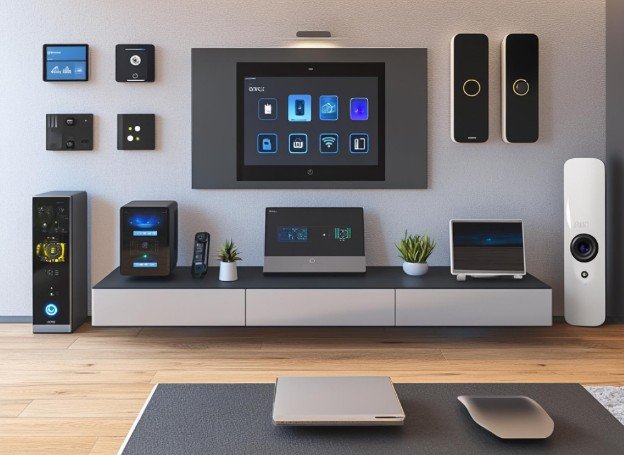
Advancements in material science continue to improve the performance of vapour permeable membranes. Emerging products offer enhanced breathability, greater durability, and easier installation processes. Additionally, integration with smart building systems is a growing trend, enabling real-time monitoring of moisture and air quality within the building envelope.
Conclusion
Vapour permeable membranes represent a critical component in modern building protection strategies. Their ability to regulate moisture effectively while preventing water ingress ensures enhanced durability, occupant comfort, and long-term performance. As the construction industry continues to prioritise sustainability and resilience, the role of these membranes is set to become increasingly significant.
For those involved in building design and construction, selecting and correctly installing a vapour permeable membrane is an investment in quality and durability. It addresses the fundamental challenge of moisture management and supports the creation of buildings that stand the test of time, environmental pressures, and occupant demands.