
As technology continues to evolve, businesses are increasingly relying on strong IT infrastructure and seamless system integration to stay competitive in the market. A solid IT foundation is not just about hardware and software.
It’s about creating a network of systems that can support your business goals, scale with your growth, and remain secure and resilient in an ever-changing digital landscape.
What is IT Infrastructure and Why is It Crucial for Businesses?
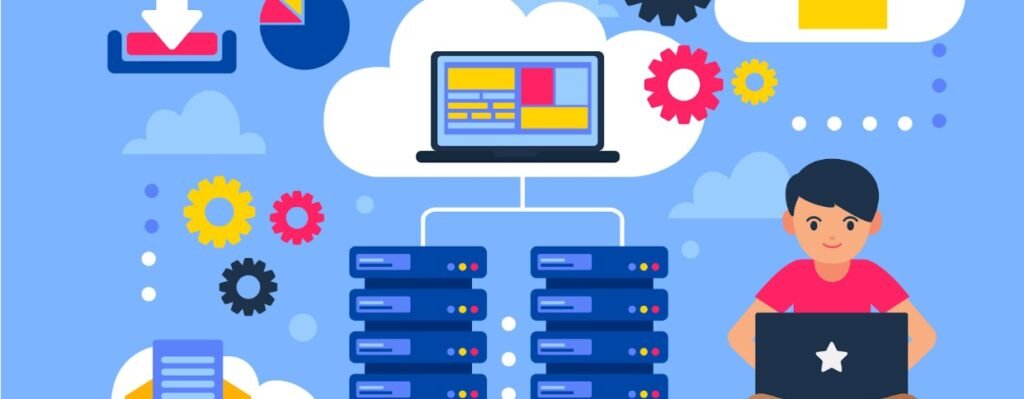
IT infrastructure refers to the collection of physical hardware, software, networks, and services required for IT operations. Think of it as the backbone of your business’s digital ecosystem. This includes everything from servers, databases, network devices, and cloud computing services to your security protocols and data management systems.
In today’s business world, where almost every operation is connected to technology, having a strong IT infrastructure is essential for:
- Supportive growth: As your business scales, your IT infrastructure should be flexible enough to handle increased demand without compromising on performance.
- Security: A robust IT system helps protect sensitive business and customer data from cyber threats and breaches.
- Operational efficiency: Well-integrated systems streamline business processes, from communication to inventory management, reducing inefficiencies.
Without proper IT infrastructure, businesses are at risk of facing downtime, security breaches, and operational disruptions, which can ultimately harm the bottom line.
What is System Integration and How Does It Impact Your IT?
System integration refers to the process of connecting different IT systems and software applications so that they work together seamlessly. This includes linking business management tools, enterprise resource planning (ERP) systems, CRM software, cloud services, and more, so that data flows smoothly across departments and stakeholders.
Here’s why system integration is vital:
- Enhanced Data Sharing: It ensures that all systems within your organization can exchange information without redundancy, saving time and improving accuracy.
- Improved Efficiency: By automating routine tasks and enabling systems to work together, integration reduces manual errors, accelerates workflows, and boosts productivity.
- Cost Savings: Integrated systems eliminate the need for multiple, siloed applications and redundant manual processes, leading to reduced overhead costs.
When your systems talk to each other, you improve both customer experience and internal operations. From inventory management to sales processing, system integration enables you to make data-driven decisions in real-time.
Key Trends in IT Infrastructure and System Integration

The world of IT infrastructure and integration is evolving rapidly. To stay ahead, businesses must adapt to emerging trends that focus on innovation, security, and scalability. Here are some key trends shaping the future of IT infrastructure and integration in 2026:
1. Cloud-Native Infrastructure
Cloud computing continues to be a game-changer in IT infrastructure. The shift toward cloud-native applications which are designed to run on cloud platforms like AWS, Azure, and Google Cloud allows businesses to scale quickly, reduce costs, and ensure greater flexibility. By integrating cloud solutions into your infrastructure, you can:
- Access on-demand resources that scale with your business needs.
- Ensure remote access for employees across different locations.
- Enhance disaster recovery capabilities with cloud backups.
2. Automation and AI-Powered Systems
With the rise of AI, machine learning, and robotic process automation (RPA), businesses are automating their IT infrastructure management. AI-driven systems are now capable of:
- Predictive maintenance to prevent system failures.
- Automation of routine tasks, freeing up resources for innovation.
- Smart analytics that enable real-time decision-making.
These technologies reduce human error and improve system uptime, making operations more efficient and scalable.
3. Security Integration for a Zero-Trust Environment
As cyber threats grow in sophistication, security integration has become a critical component of IT infrastructure. Adopting a zero-trust security model, where access to data is restricted based on strict verification, is now a priority for many businesses. Key components include:
- Integrated security layers across cloud, on-premise, and hybrid environments.
- Identity and access management (IAM) tools that ensure only authorized users have access to sensitive information.
- Endpoint detection and response (EDR) systems that monitor device behavior in real-time to prevent breaches.
By incorporating security into every layer of your IT infrastructure, you create a proactive defense against cyber threats.
Best Practices for IT Infrastructure and System Integration
To optimize your IT infrastructure and achieve seamless system integration, here are some actionable best practices you can implement:
1. Plan for Scalability
One of the biggest mistakes businesses make is not planning for future growth. Your IT infrastructure should be able to scale as your business grows. This means choosing cloud solutions that offer elastic scalability, designing a modular architecture, and ensuring that your system integration solutions are adaptable to future tools and technologies.
2. Leverage API-Driven Integrations
To ensure that your systems work well together, use APIs (Application Programming Interfaces) for system integration. APIs allow you to connect applications, automate data exchange, and ensure that systems operate seamlessly together. By choosing API-first platforms, you can ensure that all your business tools work in harmony.
3. Focus on Security from the Start
Integrating security features into your IT infrastructure and system integration plans is essential. Start by implementing encryption, multi-factor authentication (MFA), and data loss prevention (DLP) technologies across all platforms. Ensure that every system in your infrastructure is secured to mitigate the risk of breaches.
Frequently Asked Questions
1. What is the difference between IT infrastructure and system integration?
IT infrastructure refers to the underlying physical and virtual resources (hardware, networks, software) needed to support business operations, while system integration involves linking different IT systems to ensure they work together seamlessly.
2. How does cloud-native infrastructure benefit my business?
Cloud-native infrastructure allows businesses to scale their IT resources efficiently, reduce costs, and enhance flexibility. It also supports remote work and ensures data availability with minimal downtime.
3. What are the challenges of system integration?
The main challenges of system integration include managing compatibility between old and new systems, ensuring data consistency, and maintaining security across integrated platforms.
4. How can I secure my IT infrastructure?
To secure your IT infrastructure, implement a zero-trust security model, use multi-factor authentication, ensure regular system updates, and invest in endpoint security tools.
Overview
A strong IT infrastructure and seamless system integration are no longer just options—they are requirements for businesses that want to stay competitive in 2026. By embracing emerging trends like cloud-native solutions, AI automation, and integrated security, you can build a resilient, scalable IT ecosystem that supports both growth and innovation.
As technology continues to evolve, it’s important to stay ahead of the curve, ensuring that your IT systems are prepared to handle future challenges and opportunities. By investing in the right technologies and strategies today, your business can create a solid foundation for success tomorrow.