It’s amazing to fall in love; every second is thrilling and full of possibilities. However, it’s simple to ignore the small clues that something might not be right among all the happiness. Relationship red flags frequently appear subtly as small problems or oddities in conduct. However, they may indicate more serious, fundamental issues that could get worse with time.
Early detection of these warning indicators can save future emotional upheaval and suffering. Your future happiness depends on following your instincts and being watchful. Let’s examine the warning signs you shouldn’t overlook and how to recognize them before they get worse!
What Red Flag Means
Understanding what relationship red flags to look for is crucial for recognizing early signs of trouble. These early indicators can help you make informed decisions about your relationship’s health. In relationships, red flags refer to warning signs that something isn’t right.
These signals indicate that certain behaviors, attitudes, or patterns are unhealthy or toxic. While not every red flag guarantees a problematic outcome, they often serve as a red warning light—something needs to be addressed before it spirals into something more damaging.
Red flags can range from subtle to glaring, and often the issue lies not just in the behavior but in how it makes you feel. If something seems off, trust your instincts and pay attention to these signs. They can help you avoid potential emotional, mental, or physical harm in a relationship.
1. Gaslighting and Manipulation: The Silent Abusers of Your Reality
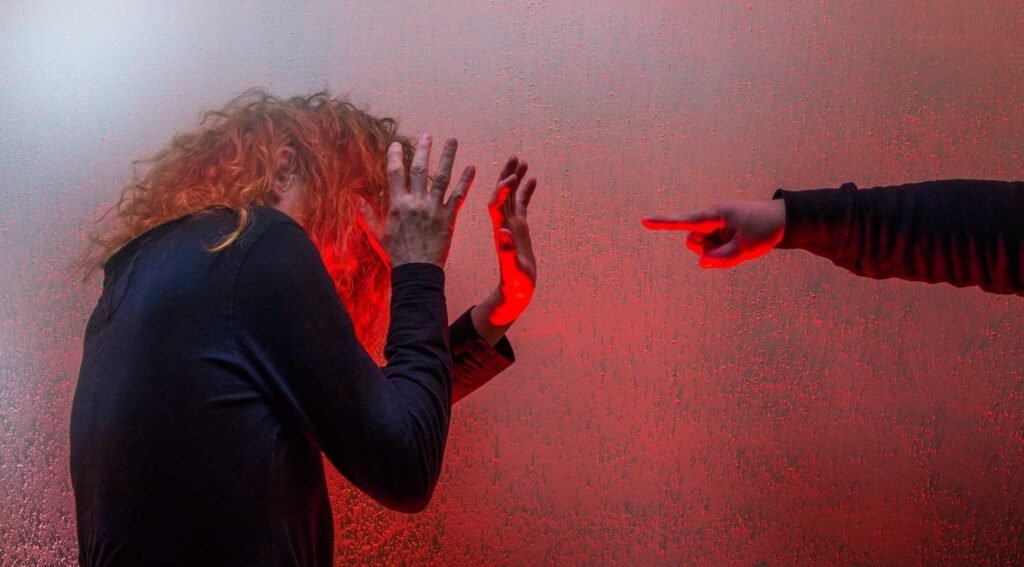
Manipulation and gaslighting are subtle yet dangerous relationship red flags that can completely distort your reality. Gaslighting is a form of emotional abuse where your partner manipulates you into doubting your own perceptions, memories, or feelings.
They may twist your words, deny their actions, or make you feel like you’re overreacting when you’re not. This behavior often leaves you feeling confused, insecure, and powerless. A manipulative partner might guilt-trip you, use your vulnerabilities against you, or make you feel responsible for their mistakes. Over time, this toxic behavior can undermine your self-worth.
What to do:
Trust your instincts. If your partner makes you feel like you’re losing touch with reality or gaslights you repeatedly, seek professional help and consider distancing yourself from this harmful situation. – give attractive title
2. When Criticism Crosses the Line: Spotting the Red Flag of Constant Negativity
One of the most concerning relationship red flags is when your partner frequently criticizes you. Criticism that goes beyond constructive feedback can erode your self-esteem and create an unhealthy environment. If your partner constantly belittles you, makes fun of your appearance, or points out your flaws, it can feel emotionally draining.
At first, these criticisms might be disguised as “helpful advice” or “jokes,” but over time, they chip away at your confidence. Remember: A loving partner should uplift you, not tear you down. Healthy relationships are built on mutual respect and support, not constant criticism.
What to do:
If you notice this red flag, speak up calmly and assertively. Let your partner know how their words affect you. If things don’t improve, it might be time to reconsider the relationship.
3. Is Your Partner Your Biggest Supporter? Red Flags When Emotional Support Is Missing
A relationship without emotional support is a huge red flag. Your partner should be your rock, someone who listens, understands, and offers comfort during tough times. If you find yourself constantly offering emotional support without getting any in return, this can create an imbalance that may eventually lead to feelings of loneliness, even in a relationship.
When your partner dismisses your emotions, invalidates your feelings, or refuses to be there when you need them, it’s a sign that something is wrong. Emotional support is essential for a healthy relationship, and without it, both partners can feel disconnected.
What to do:
Address your need for emotional support openly and honestly. If your partner is unwilling or unable to provide it, the relationship might not be as fulfilling as you deserve.
4. The Hidden Dangers of Substance Abuse: How Addiction Affects Your Relationship

Substance abuse, whether it’s alcohol, drugs, or other substances, is a serious relationship red flag. If your partner frequently drinks excessively, uses drugs, or has a history of addiction, this can create an unstable environment in the relationship. Addiction often leads to neglect of emotional and physical needs, increased arguments, and unpredictable behavior.
While addiction is a medical condition, it is also a behavior that affects everyone around the person struggling with it. It can cause emotional turmoil, financial stress, and even physical harm.
What to do:
Encourage your partner to seek professional help for their addiction. If they refuse to acknowledge the problem or refuse treatment, you may have to consider whether you’re willing to continue in this toxic situation.
5. When Anger Gets Out of Control: The Alarming Red Flags of Poor Anger Management
Everyone gets angry from time to time, but if your partner regularly loses their temper or reacts with excessive rage to small situations, it’s a red flag. Anger management issues can escalate into verbal or physical abuse, leaving you feeling unsafe and emotionally drained. No one should ever feel afraid of their partner, and consistent outbursts are a sign of deeper emotional issues that need to be addressed.
What to do:
Speak with your partner about how their anger affects you. If they don’t seek help or continue to act in a volatile way, it’s crucial to protect yourself and reassess the relationship.
6. Possessiveness or Love? The Fine Line Between Jealousy and Control
A little jealousy in a relationship is normal, but constant jealousy is a red flag. If your partner constantly questions your actions, becomes possessive, or tries to control who you spend time with, this signals a lack of trust and insecurity. Healthy relationships are based on mutual respect and trust, and constant jealousy erodes those foundations.
What to do:
Address the issue by discussing the importance of trust in the relationship. If the jealousy continues or becomes more extreme, it’s time to set boundaries or even walk away from the relationship.
7. Is Your Social Life Shrinking? How to Spot the Red Flags of Isolation in a Relationship
If your partner tries to isolate you from your friends, family, or other social networks, this is a dangerous red flag. Isolation is often a tactic used by controlling or manipulative individuals to increase their power over their partner. It makes you more reliant on them, and less likely to recognize the toxic behavior.
Healthy relationships encourage both partners to maintain independent friendships and family connections. If your partner constantly criticizes your friends or discourages you from socializing, it’s a sign of control.
What to do:
Recognize the importance of your social network and stand firm in your decision to maintain those connections. Isolation is a powerful tactic used by abusers, so it’s crucial to stay connected with your support system.
8. No Communication, No Connection: The Silent Killer of Healthy Relationships
Communication is the cornerstone of any relationship. When your partner refuses to communicate openly, it creates a disconnect that can lead to misunderstandings, resentment, and frustration. A relationship where one partner shuts down or refuses to talk about important issues is a significant red flag.
Healthy relationships thrive on transparency and active listening. If you feel like you’re walking on eggshells, or if your partner refuses to discuss your feelings, it can signal emotional distance.
What to do:
Express your desire for open communication. If your partner dismisses this, it’s essential to assess if they’re truly invested in the relationship.
9. Beware of Love Bombing: Is Your Partner Overwhelming You with Too Much Too Soon?

Love bombing is when your partner showers you with excessive affection, compliments, and gifts early on in the relationship to gain control. While this might feel flattering initially, it’s a red flag because it’s often used to manipulate or pressure you into commitment. After the love bombing phase, the relationship can take a sharp downturn, leaving you feeling confused and uncertain.
What to do:
Recognize the difference between genuine affection and manipulative behavior. If things feel too good to be true, trust your instincts and don’t get swept up in the initial whirlwind.
10. Do Your Relationship Goals Align? Mismatched Visions Are Major Red Flags
If you and your partner have completely different relationship goals, it’s a major red flag. For example, if you want marriage and children but your partner doesn’t, or if one of you values personal growth and the other is resistant to change, it can cause frustration and conflict in the long run.
It’s important to be aligned on key life goals to build a solid future together. If your partner refuses to have these discussions or dismisses your desires, it’s worth considering if this relationship is the right fit.
What to do:
Discuss your future goals openly. If your partner is unwilling to engage or make compromises, it may indicate a lack of shared values.
11. Can a History of Infidelity Be Overcome? The Truth About Trust and Cheating
A history of infidelity is a relationship red flag that shouldn’t be ignored. If your partner has cheated in the past and hasn’t made efforts to address the underlying issues, you may face the same problem again. Trust is the foundation of a healthy relationship, and infidelity damages that trust irreparably.
What to do:
Understand that past behavior can sometimes repeat itself. If trust has been broken, consider whether it’s possible to rebuild it or if moving on is the healthier option.
Red Flag vs Yellow Flag: What’s the Difference?

While red flags are clear warning signs of serious issues in a relationship, yellow flags are often subtler and indicate areas that require attention before they escalate. Yellow flags are behaviors that may not be immediately harmful but have the potential to become more problematic over time if not addressed.
For example, red flags like substance abuse or a history of infidelity are deal-breakers that indicate fundamental issues, while yellow flags might include occasional jealousy or a partner being overly protective. These yellow flags are worth addressing early on before they turn into major problems.
When to Address a Yellow Flag:
If you notice a yellow flag, it’s important to have an open conversation about your concerns. Often, a simple discussion can resolve minor issues before they become serious problems. Don’t wait until a yellow flag turns red.
Frequently Asked Questions (FAQs)
1. How do I know if my partner is emotionally manipulative?
Look for signs of gaslighting, controlling behavior, or a lack of emotional support. Emotional manipulation often involves making you feel guilty or doubting your own feelings.
2. What should I do if my partner has anger management issues?
Discuss the issue calmly and encourage them to seek professional help. If they refuse to change or continue to act aggressively, you should consider ending the relationship for your safety.
3. Can someone change after exhibiting red flag behaviors?
While change is possible, it requires self-awareness, genuine effort, and sometimes professional help. If your partner is unwilling to work on their behavior, it may be a sign they’re not invested in the relationship. If you’re unsure about certain behaviors in your relationship, identifying relationship red flags to look for can give you the clarity needed to address any underlying issues.
4. How can I deal with a jealous partner?
Set clear boundaries and communicate the importance of trust. Jealousy often stems from insecurity, so addressing the root cause can help improve the relationship.
5. What if my partner has a history of infidelity?
While some couples successfully rebuild trust after infidelity, it’s essential to evaluate if you’re ready to move forward. If your partner is not committed to change, it may be time to reconsider the relationship.
Trust Yourself and Protect Your Peace
Recognizing relationship red flags early is your first step in protecting your emotional well-being and future happiness. Trust your instincts, listen to those gut feelings, and don’t let toxic behavior become your new normal.
You deserve a relationship that’s built on mutual respect, love, and trust—never settle for less. If you see these warning signs, take action now. Your peace of mind, happiness, and emotional safety are worth it. Don’t ignore the red flags—stand up for yourself and choose the love you truly deserve!